
Japandi Style Kitchens: A Fusion of Japanese Minimalism and Scandinavian Warmth

What is Japandi Style?
Japandi style is a design trend that blends the best of Japanese and Scandinavian aesthetics.
This hybrid style is especially appealing in kitchen design, where functionality, simplicity, and a calming atmosphere take centre stage. Let’s explore the key elements of a Japandi kitchen and how to incorporate them into your home.





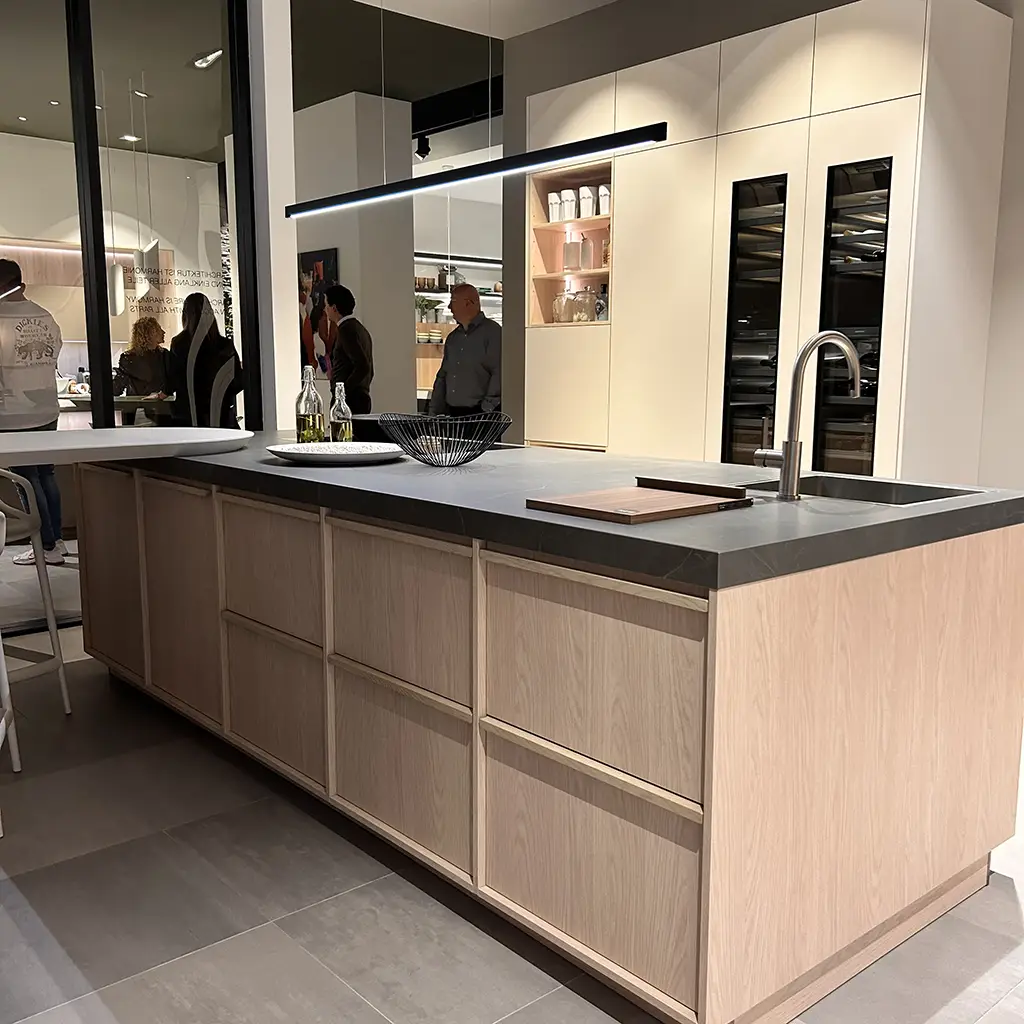
Key Elements of a Japandi Kitchen
-
Minimalist Aesthetic
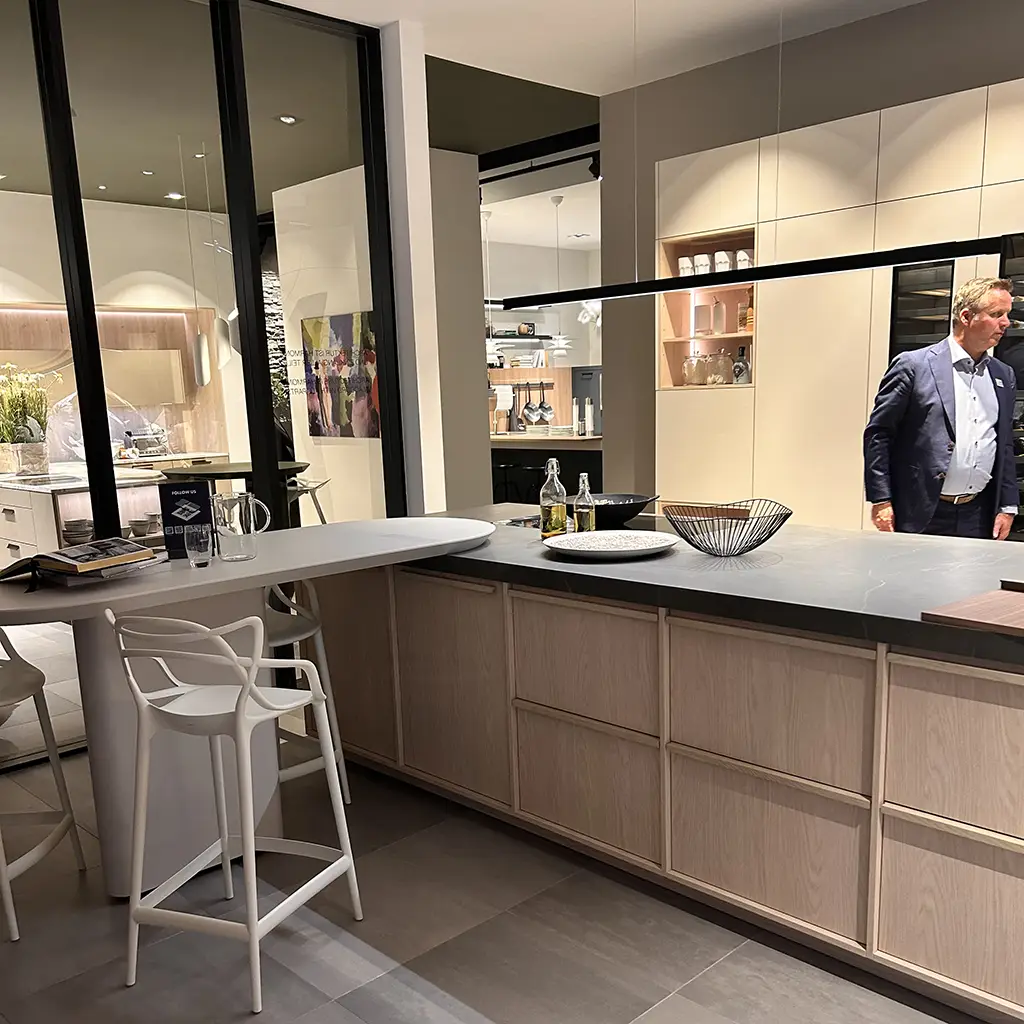
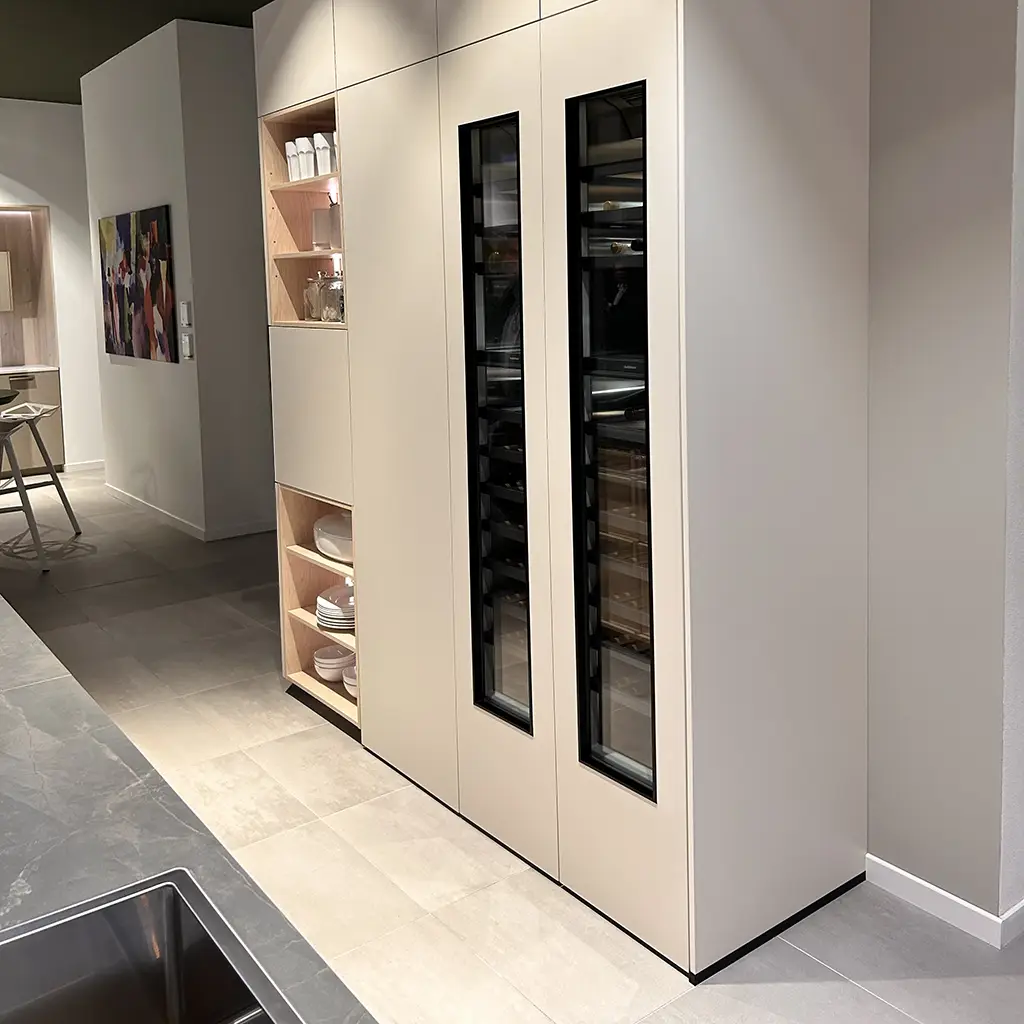
At the heart of Japandi kitchens is minimalism. Countertops are kept clutter-free, cabinets are sleek and handle-less, and every item in the space has a purpose. The focus is on creating a sense of calm by eliminating unnecessary decorations and maximizing negative space.
Tips to Achieve This:
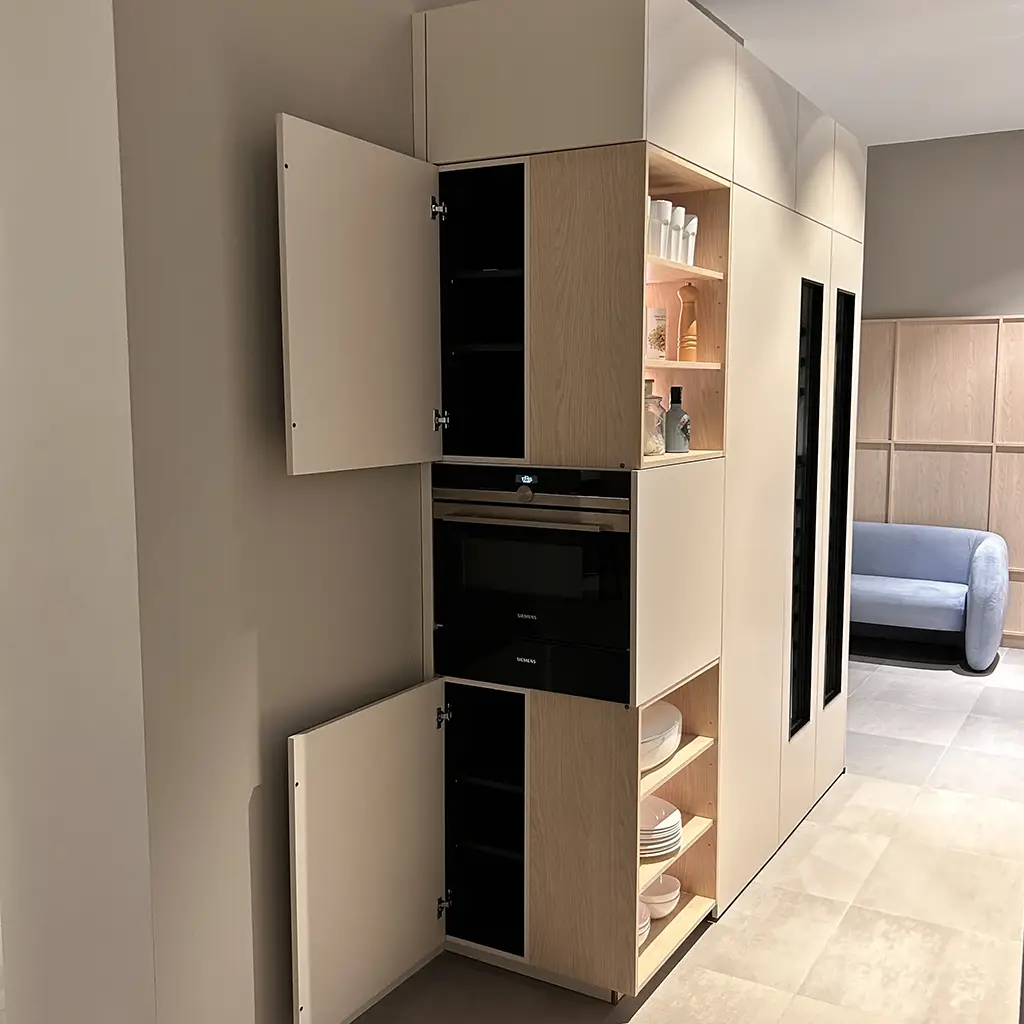
- Opt for hidden storage solutions to maintain a clean look.
- Choose simple, functional appliances that don’t draw attention.
- Limit the use of accessories and focus on quality over quantity.
-
Natural Materials
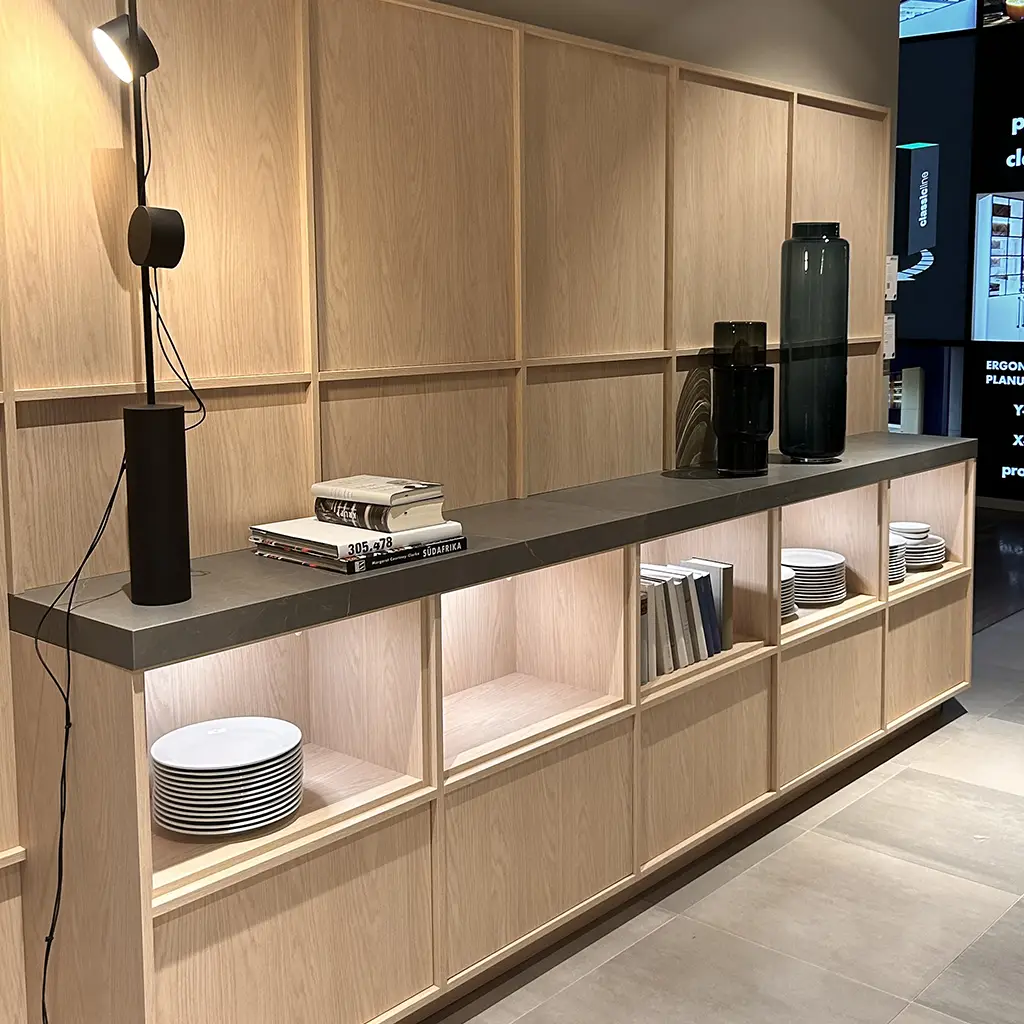
Japandi kitchens are rooted in nature. Both Japanese and Scandinavian designs favour natural materials like wood, stone, and ceramics. Wood is the star of Japandi kitchens, often seen in cabinets, countertops, and flooring. The natural grain and texture of wood bring warmth and character to the space, while stone countertops add an organic, earthy touch.
Materials to Incorporate:
- Light-colored woods like oak, ash, or birch for a Scandinavian feel.
- Darker woods like walnut or cedar for a more Japanese influence.
- Stone countertops, ceramic tile backsplashes, and handmade pottery.
-
Neutral and Earthy Color Palette
The color palette in a Japandi kitchen is soft and neutral, with an emphasis on earthy tones. Light grays, soft beiges, muted whites, and natural browns dominate the space, creating a calm and welcoming environment. You might also see accents of darker tones like charcoal or forest green to add depth.
Color Palette Tips:
- Keep the walls and cabinetry neutral, using soft whites or pale gray.
- Incorporate natural wood tones through furniture or flooring.
- Add warmth with earthy textiles like linen or cotton in muted tones.
-
Functional and Sustainable Design
Functionality is key in Japandi design. Each item in the kitchen should serve a purpose, and the overall layout should promote efficiency and flow. This style is about mindful consumption and choosing long-lasting, sustainable materials. The emphasis is on quality craftsmanship and timeless design rather than fast trends.
-
Warm, Soft Lighting
Lighting plays a crucial role in setting the mood in a Japandi kitchen. While the space is minimalist, it’s also inviting, which is achieved through soft, warm lighting. Natural light is maximized, but in the evenings, ambient lighting takes over. Pendant lights, under-cabinet lighting, and strategically placed task lights are all part of the design.
Lighting Ideas:
- Use large windows or skylights to bring in natural light.
- Choose pendant lights made of natural materials like bamboo or paper.
- Incorporate dimmable lights to adjust the mood for different times of day.
Bringing Japandi to Your Kitchen
To achieve a Japandi kitchen, focus on blending minimalism with warmth. This means paring down to the essentials, investing in high-quality, natural materials, and making sure the space feels inviting rather than cold. Remember, Japandi is not just a style; it’s a lifestyle that emphasizes mindfulness, simplicity, and connection to nature.
Japandi kitchens are more than just a trend – they embody a timeless philosophy of living simply, sustainably, and beautifully. By focusing on natural materials, neutral tones, and minimalism, you can create a kitchen that feels both serene and functional, while still warm and welcoming.
If you’re looking to redesign your kitchen with Japandi influences, remember the mantra: less is more, but warmth is essential.
We encountered our first “Japandi Kitchen” at Pronorm Germany last week, we cannot wait wait to share this exciting new concept with you….
If this is the first time you’ve seen this look and you want to know more about it, reach out to our advisory design team. We have seen this concept first hand, let us help you to develop this image more…
KAM Design – Invest in Quality